


Wood Green N22 removals guide for narrow street moves
Posted on 09/05/2026
Wood Green N22 Removals Guide for Narrow Street Moves
If you are planning a move in Wood Green, you may already know the problem: the streets can be tight, parking can disappear fast, and one badly placed van can turn a simple removal into a stressful shuffle of boxes and apology nods. This Wood Green N22 removals guide for narrow street moves is here to make the whole process feel less like a puzzle and more like a plan.
Whether you are leaving a flat above a shop, moving into a family home near a busy road, or trying to get a sofa through a stairwell that seems designed by someone with a grudge, the basics are the same: prepare well, choose the right removal setup, and understand the street access before moving day. In our experience, the difference between a smooth move and a chaotic one is often a few small decisions made early.
This guide walks you through how narrow-street removals work in Wood Green N22, what to expect, what to avoid, and how to make life easier on the day. It also includes practical checklists, a comparison table, and a real-world example so you can move with a bit more confidence. Let's face it, moving is rarely glamorous, but it can be manageable.
Why Wood Green N22 Removals Guide for Narrow Street Moves Matters
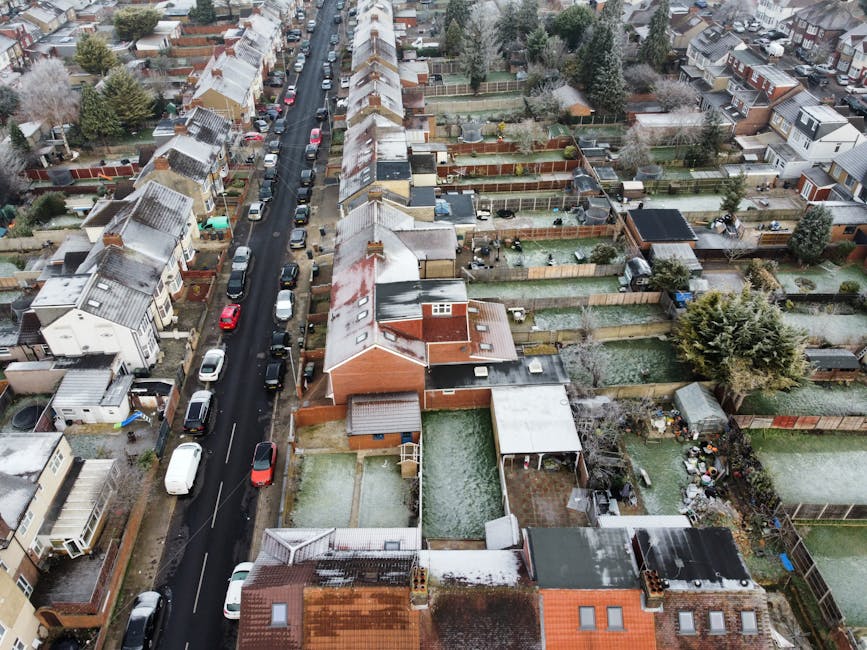
Wood Green has a mix of residential streets, terraced roads, busier high-street areas, and blocks where access is not exactly generous. That matters because removals are not just about moving furniture from A to B. They are about how the van gets close enough, how long loading takes, and whether bulky items can be carried without damaging walls, railings, or the item itself.
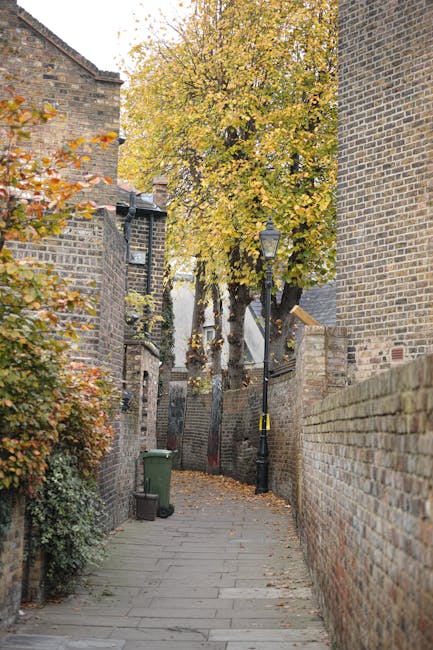
Narrow streets change the whole job. A van may need to park further away than expected. Double parking is not a clever shortcut; it can create delays and friction with neighbours. Staircases may be cramped, turnings may be awkward, and there may be limited space for trolleys or ramps. If you are moving a larger property, a flat with shared access, or an office with equipment, these little constraints quickly add up.
This is why a local, realistic removals plan matters. A good move in N22 is rarely about brute force. It is usually about timing, positioning, and sequencing. Load the most awkward items first. Keep the route clear. Protect the corners. Communicate with the driver. Simple stuff, but it works.
If you want a broader look at how removal support fits into the area, the wider services overview is a useful place to start, especially if your move involves packing, storage, or specialist handling.
How Wood Green N22 Removals Guide for Narrow Street Moves Works
At a practical level, a narrow street move is about reducing wasted motion. The removal team, your packing method, and the street layout all influence the final outcome. If the vehicle cannot get close to the entrance, every box has to be carried further. If the entrance is on a road with limited stopping space, the team may need a shorter load window and tighter coordination.
Here is the basic flow most narrow-street removals follow:
- Pre-move assessment - checking road width, access points, stairs, lifts, and any obvious obstacles.
- Parking and approach planning - deciding where the van can stop safely and legally.
- Item grouping - separating fragile, heavy, and awkward items so loading is efficient.
- Protected loading - blankets, straps, covers, and proper lifting to prevent damage.
- Timed movement - keeping the route clear and moving items in a sensible order.
- Drop-off and placement - getting everything into the correct rooms without creating a pile-up in the hallway.
That sounds simple because, in principle, it is. The challenge is that narrow streets punish disorganisation. If one person is hunting for keys while another is trying to hold a wardrobe on a tight landing, the whole process slows down. A few minutes of planning saves a lot of backache.
For moves where access is especially awkward, many people choose a man with van in Haringey style service because it can be more flexible than a large lorry. That flexibility is often the difference between a workable move and one that feels like wrestling a fridge through a keyhole. Not ideal, obviously.
Key Benefits and Practical Advantages
When a move is planned well for a narrow street, the benefits are more practical than flashy. You save time, reduce damage risk, and make the day calmer for everyone involved. There is also less chance of awkward delays with neighbours, delivery drivers, or passing traffic.
- Better access control: a smaller, well-planned vehicle setup can suit Wood Green's tighter roads.
- Lower damage risk: careful carrying and correct packing help protect furniture, walls, and flooring.
- Less stress: when access is mapped out, the team can work without last-minute guesswork.
- Faster loading: a short, efficient carry route is easier than repeated long trips from a badly parked van.
- More predictable costs: clear access information often helps produce a more realistic quote.
There is also a quieter benefit people sometimes overlook: good access planning makes you look organised on the day. That may sound minor, but in a shared building or a busy street, being the household that knows what it is doing is a relief for everyone nearby.
If you are moving out of a flat, the specialist approach offered by flat removals in Haringey is often especially relevant where stairwells, landings, and shared entrances make things tricky.
Who This Is For and When It Makes Sense
This guide is useful for anyone moving in or around Wood Green N22 where the street, building, or parking layout complicates the job. That includes first-time movers, families, landlords, students, and business owners. It is also relevant if you are downsizing, moving between flats, or handling bulky items.
Common situations where narrow-street planning really matters:
- Victorian or terraced streets with limited on-street space
- Homes with shared driveways or no private parking
- Flats above shops or in converted buildings
- Student moves with lots of small boxes but awkward access
- Office relocations with IT equipment and filing cabinets
- Moves involving antiques, pianos, or heavy furniture
Truth be told, if you are moving a single room's worth of stuff and the road is tight, the main challenge may not be the volume. It may be the approach route. A small move can still be awkward if the van cannot stop where it needs to.
For students and lighter moves, a student removals service can be a sensible fit, especially if you are carrying boxes, a desk, a bed frame, and a pile of life that somehow shrank and expanded at the same time.
Step-by-Step Guidance
If you want the move to feel under control, work through it in stages. The big mistake is treating removals like a single event rather than a sequence. The road layout, packing, and loading order all need to line up.
1. Check the street access first
Before you book anything, look carefully at the street outside both properties. Ask yourself: can a van stop close enough? Is there room to open doors? Are there bends, parked cars, or low branches that may affect access? If the answer is "maybe" to any of those, you need a plan, not optimism.
2. Measure the awkward items
Measure sofas, wardrobes, mattresses, mirrors, and anything with an odd shape. A narrow street move can fail long before loading begins if the item will not fit through the hallway or up the stairs. Measure doorways too. A bit obvious, yes, but people forget this all the time.
3. Book the right vehicle and support
Smaller access often suits a more flexible vehicle rather than a huge removal lorry. The right choice depends on what you are moving, how far the carry is, and whether you need help lifting. If you are comparing options, take a look at removal van options in Haringey and man and van services in Haringey to understand the practical differences.
4. Pack by loading order, not by room nostalgia
People often pack by what belongs together emotionally. Nice idea. Not useful. Pack based on what should go on first, what is fragile, and what you will need immediately on arrival. Heavy boxes at the bottom, fragile items protected, and essentials kept easy to reach.
5. Protect floors, corners, and stair edges
Narrow paths and tight hallways can take a beating during a move. Use covers, blankets, and corner protection where needed. If a landlord or building manager is involved, this small bit of care can prevent annoying conversations later.
6. Keep the route clear
On moving day, make a clear lane from the property to the van. Move bins, bikes, prams, loose plant pots, and anything else that can trip someone or force an awkward detour. One small obstacle can slow everyone down.
7. Load the van in the right order
Usually, the heaviest and sturdiest items go in first, with fragile items protected and secured. The team should use straps and blankets to prevent movement during transit. If you are moving furniture, the specialist guidance on furniture removals in Haringey is worth exploring because sofas, wardrobes, tables, and beds all behave differently in tight spaces.
8. Do a final walkthrough
Before you leave, check cupboards, loft access, under beds, and behind doors. It sounds basic because it is. But the lost charger, keys, and kettle are always the items people discover too late.
Expert Tips for Better Results
Here are the little things that tend to make a real difference in narrow street moves. Not glamorous, but effective.
- Time the move carefully: early starts can help you avoid the worst parking pressure, though that depends on the street and building.
- Use colour labels: simple coloured tape or stickers help the team place boxes in the right rooms faster.
- Disassemble furniture in advance: beds, shelving, and table legs often travel better in pieces.
- Keep one essentials bag separate: kettle, chargers, documents, tea, toiletries, and a change of clothes. Very British, and very useful.
- Tell neighbours early: a quick heads-up can prevent complaints about temporary access or noise.
- Plan for weather: a wet London morning makes steps, handles, and cardboard a bit more annoying than they need to be.
If you are moving a particularly delicate or valuable item, specialist handling matters more than speed. For example, a piano removals service is not just about lifting power; it is about sequencing, protection, and using the right technique so a heavy instrument does not become a very expensive problem.
And a small but honest tip: do not assume your stairs are "fine" just because you have used them every day. Moving day reveals every tight corner you have politely ignored for years.
Common Mistakes to Avoid
Narrow street moves tend to go wrong in predictable ways. The good news? Most of them are avoidable.
- Booking without checking access: if the van cannot stop properly, everything slows down.
- Underestimating carry distance: a 20-metre walk repeated dozens of times adds up fast.
- Overpacking boxes: heavy, overfilled boxes are harder to carry and more likely to split.
- Leaving parking too late: do not leave the vehicle plan to chance.
- Ignoring building rules: some flats and managed properties have loading expectations that should be respected.
- Not separating essential items: nothing feels worse than needing medication, documents, or a phone charger buried under cushions.
One classic error is assuming a small van is always easier. Sometimes it is, sometimes it isn't. If you have a lot of trips and a long carry, a slightly different setup may be more efficient overall. That's why a proper quote should reflect the layout, not just the postcode.
For help understanding what affects the price, the page on pricing and quotes explains the sort of details that usually shape a realistic estimate.
Tools, Resources and Recommendations
You do not need a warehouse full of gear to manage a narrow-street move well. A sensible shortlist is enough.
| Tool or item | Why it helps | Best used for |
|---|---|---|
| Furniture blankets | Protects edges, doors, and fragile finishes | Sofas, tables, wardrobes |
| Strong tape and labels | Keeps packing organised | Room-by-room box sorting |
| Straps and ties | Secures loads in the van | Large or stacked items |
| Trolley or sack truck | Reduces lifting strain | Boxes, appliances, heavier items |
| Floor protection | Helps avoid scuffs and dirt | Hallways, stairs, entrances |
Some moves also benefit from temporary storage if the timing between properties is not neat. That happens more often than people expect, especially with chain delays or building access issues. If that sounds familiar, storage in Haringey can be a useful back-up plan rather than a last-minute panic.
It is also worth having a clear view of your removal partner's working practices, especially if you want reassurance around items in transit. The pages on insurance and safety and health and safety policy are useful for understanding the standards you should expect.
Law, Compliance, Standards, or Best Practice
For a normal household move, you usually do not need to become an expert in transport law overnight. Still, good practice matters. Parking should be legal and safe. Access should not block emergency routes. Items should be carried in a way that reduces risk to people and property.
Where shared buildings are involved, be mindful of any reasonable rules from landlords, managing agents, or building staff. That may include lift booking, time windows, padding shared areas, or protecting floors. These are not usually dramatic legal issues, but they are practical expectations that keep the move smooth.
Best practice also means honest communication. If access is awkward, say so early. If an item is unusually heavy, mention it. If a stairwell is tight or a parking space is only realistic for a small vehicle, that needs to be known before the day. A good removals service can plan around limitations. A surprise on the doorstep is where things get messy.
For customers who want to understand service terms, payment expectations, and how bookings are handled, it helps to review the terms and conditions and payment and security information before confirming anything.
Options, Methods, or Comparison Table
Not every narrow street move in Wood Green needs the same approach. Here is a simple comparison to help you choose what feels right.
| Option | Best for | Strengths | Trade-offs |
|---|---|---|---|
| Man and van | Small to medium moves, tight access, quick turnarounds | Flexible, easier on narrow streets, often efficient | May need extra trips for larger loads |
| Full removals team | Larger homes, heavy furniture, more complex moves | More hands, better for bulky items, broader support | Can require more coordination and space |
| Part-load or storage-assisted move | Staggered move dates, uncertain access, renovations | Flexible timing, reduces pressure on moving day | May involve extra logistics |
| Same-day removals | Urgent changes, last-minute property handovers | Fast response, useful under time pressure | Less time for planning, so access details matter even more |
If you are still deciding, a more general removal services page for Haringey can help you compare the kind of support available across different move sizes. Sometimes the right answer is not the biggest team. Sometimes it's the right-sized one.
For very quick turnarounds, same-day removals in Haringey may be relevant, though it is always better to book ahead where possible. Same-day is handy. Calm planning is better.
Case Study or Real-World Example
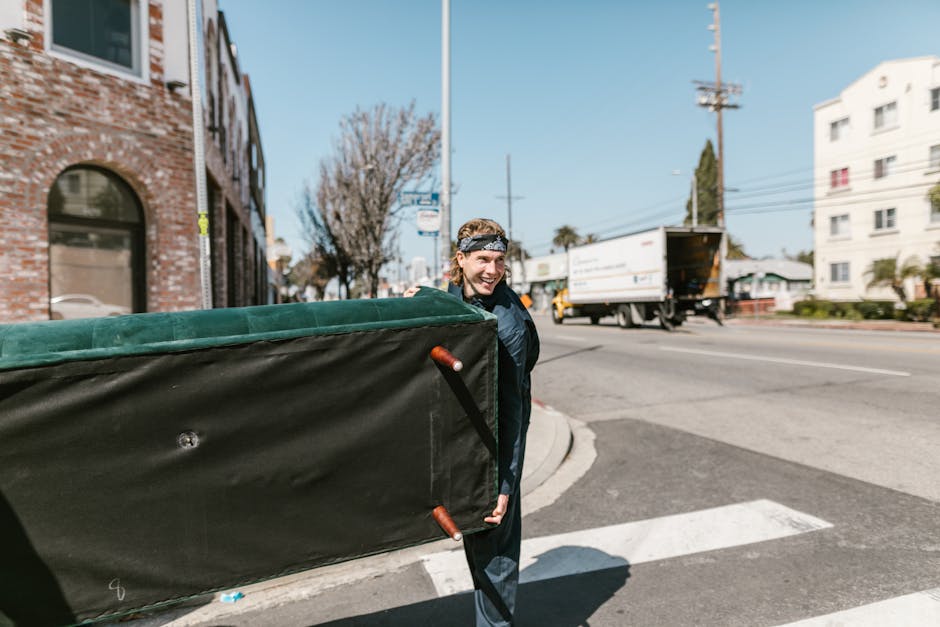
Picture a typical Wood Green move: a one-bedroom flat on a narrow residential street, with on-street parking already half full by late morning. The front door opens onto a tight hallway, the stairwell bends sharply at the first landing, and the biggest item is a sofa that has definitely overstayed its welcome.
The move goes smoothly because the planning is simple and sensible. The driver arrives early, checks the best stopping point, and parks where the carry route is shortest and safest. Boxes are grouped by room. The sofa is wrapped before it leaves the property, and the wardrobe is dismantled in advance. Nothing fancy. Just organised.
The team keeps the entrance clear, moves the heaviest items first, and avoids blocking the neighbouring driveway. A couple of awkward turns on the stairs need extra hands, but because the route was checked beforehand, nobody is surprised. By early afternoon the main load is done, and the final sweep of cupboards reveals only a missing phone charger and one rogue spoon. As these things go, that is a victory.
What made the difference? Not luck. Preparation. The property itself did not change, and the street did not become wider overnight. The move simply respected the layout instead of pretending it would be easy.
If you are moving into or out of a local flat and want a service shaped around tighter access, the house removals in Haringey and removals in Haringey pages give a broader picture of how these jobs are typically handled.
Practical Checklist
Use this checklist in the run-up to moving day. It is basic, but basic is good when the street is narrow and time is tight.
- Confirm the moving date and arrival window
- Check parking and access at both addresses
- Measure large furniture and doorways
- Disassemble anything that will not travel well assembled
- Pack fragile items with extra protection
- Label boxes by room and priority
- Set aside essentials for the first 24 hours
- Tell neighbours or the building manager if needed
- Clear hallways, entrances, and the path to the van
- Prepare floor and corner protection if appropriate
- Keep keys, documents, and chargers in one safe place
- Do a final walk-through before leaving
Expert summary: in narrow Wood Green streets, a move works best when you plan around access, not around hope. Keep the route short, the packing smart, and the communication clear. That is usually enough to turn a stressful day into a manageable one.
For sustainability-minded moves, you may also find the page on recycling and sustainability helpful when deciding what to keep, donate, recycle, or transport. Less clutter means less carrying. Simple maths, really.
Conclusion
A narrow street move in Wood Green N22 does not have to be chaotic. Once you understand the access challenges, you can plan around them instead of reacting to them on the day. That means the right vehicle, sensible packing, realistic timing, and a team that knows how to work in tighter London streets without fuss.
The biggest wins are usually the least dramatic: fewer trips, less lifting strain, fewer damaged corners, and a calmer handover at both ends. If you are moving a flat, a family home, or a set of bulky items, a local approach will almost always serve you better than guessing your way through it.
And if your move is tied to a new home purchase or a change of area, it may be worth reading a bit more about local living too, whether that is buying flats in Haringey or the broader feel of the borough in this guide to living in Haringey. It all helps build the bigger picture.
Get a free quote today and see how much you can save.
If you are ready to talk through access, timing, or special items, the team at contact page can help you take the next step with less guesswork and a lot more confidence.