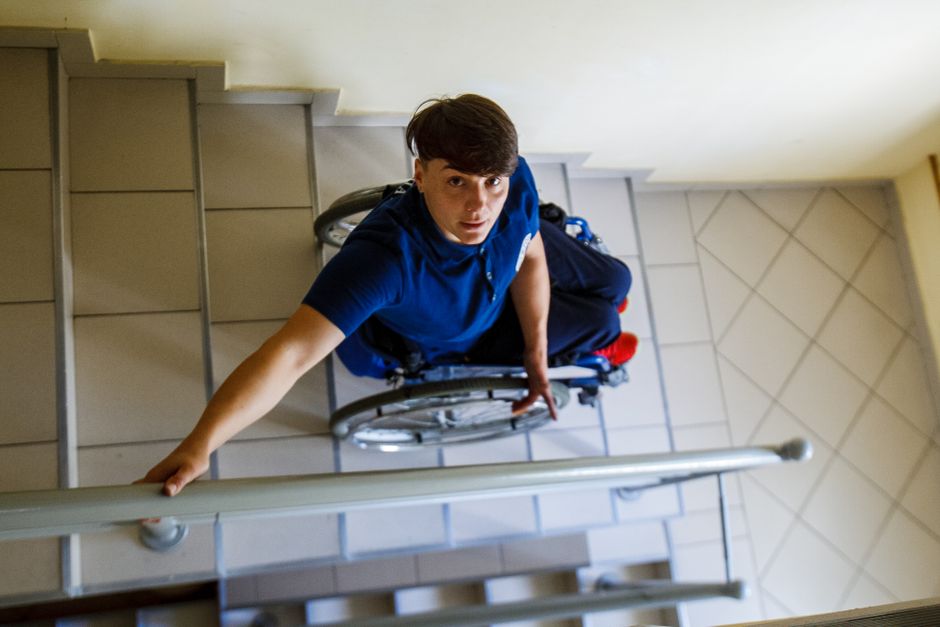
Access challenges Harringay estate removals staircases and lifts
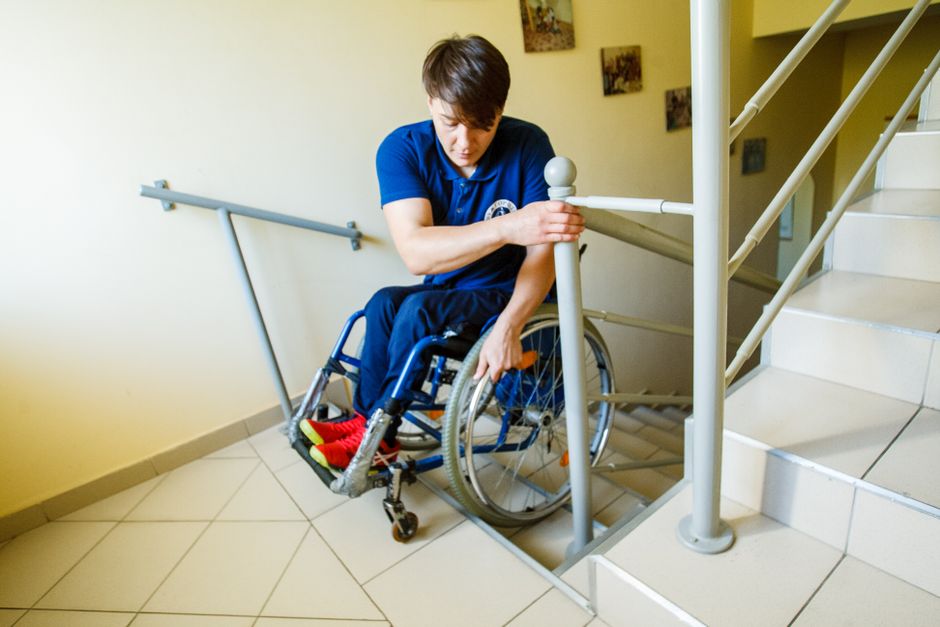
Moving in Harringay can be straightforward on paper and awkward in real life. One minute you're booking a van, the next you're staring at a narrow staircase, a lift with a tight door, or a communal corridor that seems to shrink every time you carry a sofa through it. That is exactly why Access challenges Harringay estate removals staircases and lifts matter so much. If your home is in a purpose-built block, a converted estate, or a flat with limited access, the move needs a bit more planning than the average house removal. The good news? With the right preparation, it can still be calm, efficient, and far less stressful than people expect.
This guide breaks down how access issues affect removals, what to check before moving day, how professionals work around staircases and lifts, and which mistakes are easiest to avoid. It's written for anyone moving a flat, maisonette, or estate property in Harringay, whether you're relocating a single bedroom or an entire family home.
- Why access challenges matter
- How staircases and lifts affect the move
- Benefits of planning access properly
- Who this is for
- Step-by-step guidance
- Expert tips
- Common mistakes
- Tools and resources
- Best practice and compliance
- Options and comparison
- Real-world example
- Practical checklist
- Conclusion
- Frequently asked questions
Why Access challenges Harringay estate removals staircases and lifts Matters
Access issues can change almost every part of a removal. They affect how long the job takes, how many movers are needed, what size vehicle is suitable, and whether certain items can be moved safely in one piece. A large wardrobe is not the same as a bag of bedding. A narrow stairwell is not the same as a ground-floor walk-in. Obvious, perhaps, but these details are often missed until the team arrives and everyone has that same small pause. You know the one.
In Harringay, many homes sit in estates or apartment buildings with shared entrances, internal staircases, lifts, loading bays, or parking controls. That combination can create bottlenecks. If the lift is small, unreliable, or reserved for residents, the removal may have to rely on stairs. If the staircase turns sharply on a landing, bulky furniture may need to be angled, dismantled, or carried by extra hands. If the building has strict move-in times, every minute matters.
Planning access properly protects your belongings and the building itself. It also reduces the chance of damage to walls, banisters, flooring, or door frames. And, to be fair, it makes the day feel a lot more manageable. Nobody enjoys watching a two-person job turn into a puzzle in a hot communal hallway.
How Access challenges Harringay estate removals staircases and lifts Works
The practical side of access planning starts before the van is loaded. A mover needs to understand the layout of both properties, the route between them, and any restrictions that may slow the process down. That includes the number of floors, lift dimensions, stair width, landing space, doorway clearance, parking distance, and whether there are any key fobs, booking slots, or building rules to consider.
Here is how the process usually unfolds:
- Assessment: The move is checked for access points, item sizes, and any likely obstruction.
- Planning: The route is mapped, which may include lifts, stairwells, or a combination of both.
- Preparation: Furniture may be dismantled, protected with wraps or blankets, and grouped for efficient carrying.
- Execution: Movers carry items through the safest route, often with one person guiding corners and another taking the weight.
- Adjustment: If a lift is too small or unavailable, the team adapts and uses stairs or staggered loads.
It sounds simple. In practice, the smallest detail can make the biggest difference. A lift that is technically available may still be too tight for a sofa. A staircase that looks fine in photos may hide a turn that stops a mattress from moving cleanly. That is why experienced removal services ask about access early, not just about dates and volumes.
For flats and estate properties, access often works best when items are pre-sorted and clearly labelled. If you're moving into or out of a higher-floor home, that sort of organisation saves both time and energy. It also helps when using flat removals support, because the team can prioritise awkward pieces instead of guessing in the hallway.
Key Benefits and Practical Advantages
Good access planning is not just about avoiding problems. It gives you real, practical advantages on the day.
- Faster loading and unloading: A planned route keeps people moving instead of waiting around.
- Less damage risk: Corners, lifts, and bannisters are protected more effectively when the route is known in advance.
- Better vehicle choice: A suitable van or truck can be assigned based on the building's access and parking setup.
- More accurate timing: It is easier to estimate how long a removal will take when you know whether the lift is usable or the stairs are the only option.
- Lower physical strain: Extra movers, trolleys, and proper lifting techniques make the job safer for everyone.
There is also a quieter benefit: less panic. Once you know the route, the move stops feeling like a gamble. That matters more than people admit.
Expert summary: In estate removals, access is not a minor detail. It is part of the move itself. When staircases are tight or lifts are unreliable, the plan should be built around the building, not the other way round.
If you are moving larger household goods, a properly planned service such as furniture removals can be especially useful because bulky pieces are often the first to expose access problems. The same applies to specialist items like pianos, where clearance and handling matter even more.
Who This Is For and When It Makes Sense
This topic is relevant if you live in a block of flats, an estate building, a converted house with narrow stairs, or any property where heavy furniture must travel through shared spaces. It is also relevant if you are moving into a building with lift restrictions or if the removal day needs to be booked around neighbour access, concierge hours, or parking rules.
It makes particular sense for:
- tenants moving in or out of estates and apartment blocks
- first-time movers who have not dealt with communal access before
- families with bulky furniture, pushchairs, or multiple bedrooms worth of belongings
- students moving into upper-floor accommodation, where stairwell access can be tricky
- small businesses relocating from upper-floor offices
- anyone using a short-term storage plan while waiting for a new home to be ready
If you're in a hurry, the need for access planning becomes even more obvious. A same-day turnaround gives little room for improvisation, so services like same-day removals work best when the building access details are already clear. Otherwise, that "quick move" can become a long afternoon. Nobody wants that.
For office moves, the same logic applies. Shared lifts, reception desks, and timed access windows can slow things right down unless the process is coordinated with a team familiar with office removals and estate-style building access.
Step-by-Step Guidance
Here is a practical way to handle access challenges without letting them take over the whole move.
- Measure the awkward bits first. Check stair width, landing turns, lift door width, and the depth of the lift cabin. If a sofa or wardrobe looks tight, assume it is tight.
- Ask about building rules. Find out whether the lift needs booking, whether protective sheeting is required, and whether moving is restricted to certain hours.
- Check parking and loading distance. A van parked far from the entrance adds time and effort. It can also affect the number of trips needed.
- Sort items by difficulty. Keep the heaviest or most awkward pieces accessible, not buried behind boxes of books and lamps.
- Dismantle what you can. Bed frames, table legs, and some shelving units are easier to move when broken down in advance.
- Protect the route. Use floor protection, door guards, and wraps where needed, especially in communal areas.
- Keep essentials separate. Documents, chargers, tea, medication, and a few basics should not be stuck in a box at the bottom of the pile. You will thank yourself later.
- Confirm the plan before the day. A short check-in with the removal team can prevent a lot of guesswork.
For people who want a more hands-on service, packing and unpacking services can help reduce clutter and make the load easier to handle around staircases and lifts. Good packing does not just protect items; it also makes lifting more predictable.
If your move is linked to a larger relocation, using a man and van option can be a sensible fit when access is manageable but not ideal. It is a practical middle ground for smaller flats, partial moves, and furniture-heavy jobs.
Expert Tips for Better Results
These are the small things that make the biggest difference in real removals. The kind you only really notice when they go wrong.
- Take photos of stairs, lifts, and entrances. A few clear pictures can tell a mover more than a long explanation by phone.
- Measure furniture, not just rooms. Sofas, wardrobes, fridge-freezers, and mattresses need to pass through actual openings, not imaginary ones.
- Leave wider items until last. If a large piece blocks a hallway, everything behind it slows down.
- Use colour-coded labels if you can. Boxes marked by room are easier to place quickly, especially when stair climbing is involved.
- Book a slightly earlier start if the lift is shared. Morning moves often face fewer delays from neighbours, deliveries, or building traffic.
- Tell the team about delicate surfaces. Gloss paint, polished floors, and older stair rails can mark easily. A heads-up helps.
One more thing: if your building has a lift that is technically available but small enough to make you question the laws of physics, treat it as a limited tool, not a guaranteed solution. That's not sarcasm, just experience.
For larger domestic moves, home moves support can be especially helpful when you want the whole process coordinated around a challenging route rather than tackled room by room with crossed fingers.
Common Mistakes to Avoid
Most access problems are manageable. The trouble starts when people underestimate them.
- Assuming the lift will solve everything. Many lifts are too small, too slow, or not suitable for bulky items.
- Forgetting to check stair turns. A straight staircase and a twisting one are not the same thing at all.
- Not warning the movers about heavy items. A piano, American-style fridge, or oversized wardrobe needs its own plan.
- Ignoring parking restrictions. If the van cannot park near the entrance, the whole schedule changes.
- Leaving packing to the last minute. Rushed boxes are awkward to stack and harder to carry safely.
- Booking the wrong type of removal support. A basic van hire is not always enough for a building with serious access limits.
There is a common pattern here: people often plan the contents of the move before they plan the route. It should really be the other way round. Start with the staircase, lift, and loading point, then work backwards.
For especially heavy or unusual items, specialist help matters. Services such as piano removals are designed with weight distribution, handling, and route clearance in mind, which is exactly what access-constrained buildings demand.
Tools, Resources and Recommendations
You do not need fancy equipment to manage access well, but a few practical tools help a lot.
- Tape measure: Use it on furniture, stair width, doorways, and lift entrances.
- Phone camera: Photos of the route are often the most useful "document" you can share.
- Furniture blankets and wraps: Good for protecting items and reducing scraping in tight corridors.
- Labels and marker pens: Helpful when boxes must be moved quickly between floors.
- Disassembly tools: Keep the right screwdriver, hex keys, and small bag for screws.
- Floors and doorway protection: Particularly useful in rented flats and communal spaces.
For people comparing moving support options, the broader service pages can be useful too. If you need a smaller vehicle for a compact move, removal van or man with van support may suit straightforward access, while a fuller setup is often better for larger estates or higher-floor homes. If the job involves a building with more demanding access, a larger moving truck may make more sense, provided parking and turning space allow it.
For storage-led moves, where items may be split across several journeys, storage can ease pressure when lift access is limited or completion dates do not line up neatly. That happens more often than people think.
Law, Compliance, Standards, or Best Practice
Access work in removals is less about one single law and more about careful adherence to normal UK moving best practice. That usually includes safe manual handling, sensible load planning, and respect for building rules. If a block has a lift booking system or requires communal areas to be protected, those instructions should be followed. Common sense, yes, but also part of professional conduct.
Good removal practice in the UK generally means:
- reducing manual handling risk where possible
- using enough people for heavy or awkward items
- protecting floors, walls, and shared areas
- being clear about insurance and responsibility before the move
- communicating access restrictions honestly instead of hoping they'll be fine on the day
If you are comparing providers, it is sensible to review pages such as health and safety policy, insurance and safety, and terms and conditions so you understand how the move is handled and what is expected from both sides.
For many customers, pricing is also part of the decision. Access complexity often affects the quote because it changes the time and labour involved. That is normal. You can usually get a clearer sense of the likely cost by checking pricing and quotes early, especially if your building has a staircase-only route or a lift that is likely to be shared.
And if you care about how unwanted items are handled, sustainability matters too. A thoughtful move should consider reuse, recycling, and fewer wasted journeys where possible. The page on recycling and sustainability is a sensible place to look if reducing waste is part of your move plan.
Options, Methods, or Comparison Table
Different access setups call for different approaches. Here is a simple comparison that may help you decide what is most practical.
| Approach | Best for | Pros | Watch-outs |
|---|---|---|---|
| Lift-based move | Buildings with a reliable, spacious lift | Less carrying, quicker for repeated trips | Lift may be too small for large furniture or unavailable at busy times |
| Stair-only move | Low- to mid-floor flats with narrow or unusable lifts | No waiting for lift access, straightforward if items are manageable | More physical effort, more chance of wall or corner contact |
| Hybrid move | Buildings where some items fit the lift and others do not | Flexible, often the most realistic option | Requires strong coordination and good item sorting |
| Disassembled move | Bulky furniture in tight estate access | Makes awkward objects easier to carry and rotate | Needs time, tools, and careful reassembly at the destination |
In practice, hybrid moves are probably the most common. A few boxes go in the lift, the bed frame comes down the stairs, and the sofa gets measured, rotated, and carried with a little more effort. Not glamorous, but effective.
Case Study or Real-World Example
Imagine a second-floor flat in a Harringay estate. The lift works, but it is compact and shared with several neighbours. The move includes a double mattress, a dismantled bed, a three-seat sofa, six medium boxes, a dining table, and some kitchen items. On paper, it sounds simple enough.
On arrival, the removal team checks the lift first. The mattress fits, but the sofa does not. The dining table legs are removed, which helps. Boxes are split into two groups so the lift can be used efficiently, while the larger items go down the stairs with protective covers in place. The landing is narrow, so one mover guides each turn while another keeps the item lifted clear of the wall. No drama. No scraped paint. Just a careful, steady move.
That is the sort of outcome good planning creates. The job still takes effort, of course, but it avoids the very common moment where everyone stands in the corridor and says, "Right... let's try turning it the other way."
If the move had included overflow boxes or delayed completion, short-term storage could have reduced pressure, and a more compact man with van setup may have been enough for the smaller loads. The right solution depends on the route as much as the volume.
Practical Checklist
Use this checklist before moving day. It keeps the important things visible.
- Confirm floor level, lift access, and stair layout at both properties
- Measure large furniture and appliances
- Ask whether the lift needs to be booked or protected
- Check parking, loading bays, and distance from van to entrance
- Tell the removal team about any narrow corners or unusual turns
- Dismantle beds, tables, and other bulky furniture where possible
- Pack boxes securely and label them by room
- Separate essentials for easy access on arrival
- Review safety, insurance, and terms before confirming the job
- Build in extra time if your building has shared access or limited lift windows
It helps to treat this as a route-planning exercise, not just a packing exercise. That small mental shift can make the whole move feel less chaotic.
Get a free quote today and see how much you can save.
Conclusion
Access challenges in Harringay estate removals are common, but they do not have to become stressful. Staircases, lifts, tight corners, parking restrictions, and shared hallways all add complexity, yet each one can be handled with a practical plan. The key is to look at the route early, be honest about the awkward bits, and choose a moving approach that fits the building rather than fighting it.
Whether you are moving a single flat, a family home, or a larger item that needs extra care, the right preparation saves time, protects your belongings, and makes the day feel much more under control. In the end, that calm feeling is worth a lot. Especially when you are standing by the front door with a kettle, a key, and a pile of boxes.
If you want to learn more about the company behind these services, you can also read the about us page or check the accessibility statement for a clearer idea of how the site is set up to help users find what they need. For direct assistance, the contact us page is the place to reach out.
Frequently Asked Questions
What are the most common access challenges in Harringay estate removals?
The most common issues are narrow staircases, small or shared lifts, tight hallway turns, limited parking, and short loading windows. In many estate blocks, all of these can appear in the same move.
Should I rely on the lift for moving furniture?
Only if the lift is large enough, available for the full move, and suitable for the size of your items. Many lifts are fine for boxes but not for sofas, wardrobes, or mattresses.
How do I know if my staircase is too narrow?
Measure the widest part of your furniture and compare it with the narrowest point on the staircase, including turns and landings. If the item needs to be angled sharply, it may need dismantling or a different route.
Do removal teams need access details before the move?
Yes, absolutely. Details like lift size, stair layout, and parking distance help the team plan the right vehicle, the right number of movers, and the right timing.
Can access problems increase the cost of a move?
They can, because more difficult access often means more time, more labour, or more trips. The exact impact depends on the building, the furniture, and the route from van to front door.
What should I do if the lift is out of order on moving day?
Tell the removal team immediately. They may switch to the stairs, adjust the order of items, or change the loading plan. A calm, flexible response is usually best.
Is it better to dismantle furniture before a flat move?
In many cases, yes. Dismantling beds, tables, and larger shelving units can make tight access far easier and reduce the chance of damage.
What kind of move support works best for a flat with poor access?
That depends on the building, but many people find a tailored removals service more useful than a one-size-fits-all approach. The key is flexibility.
How far in advance should I check building rules or lift booking requirements?
As early as possible. Ideally, check as soon as the move date is likely, because some blocks require advance lift reservations or specific moving hours.
What if I only have a few items but the access is awkward?
Even a small move can be tricky if stairs are tight or parking is limited. In that case, a smaller-scale option such as man with van support may be a practical fit.
Are there special considerations for office or commercial moves in estate-style buildings?
Yes. Office and commercial moves often need more coordination because of lifts, reception access, building timings, and shared areas. That is why commercial moves and office relocation services are usually planned around access from the start.
What is the safest way to protect walls and banisters?
Use proper coverings, move one large item at a time, and have someone guide the item through corners. Rushing is usually what causes marks, not the staircase itself.
Can student moves also face staircase and lift problems?
Definitely. Student buildings often have shared entrances, upper-floor rooms, and tight lifts. If you are moving between halls or flats, student removals can help handle the access side more smoothly.