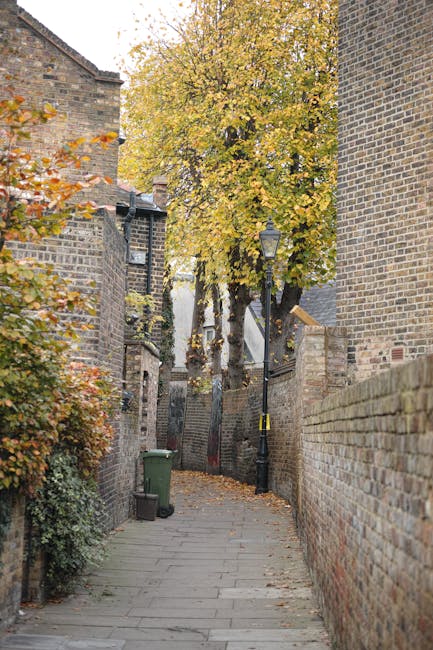
Moving from one flat to another in Crouch End sounds straightforward on paper. Then you meet the real challenge: tight residential streets, awkward parking, stairwells that never seem to turn quite enough, and neighbours who are trying to get on with their day. If you are planning a flat to flat move here, the difference between a calm move and a stressful one usually comes down to preparation, access planning, and choosing the right approach for the street outside your door.
This guide brings together practical Crouch End flat to flat removals tips for narrow streets that are genuinely useful in real life. It covers how these moves work, what to do before moving day, where things most often go wrong, and how to make the whole process feel less chaotic. Whether you are moving a studio or a top-floor flat, a bit of local know-how goes a long way. To be fair, Crouch End is lovely to live in, but it can be a bit of a puzzle for vans and furniture.
For broader moving support, you may also find it useful to look at local removals in Haringey, man and van services in Haringey, or packing and boxes help if you want to reduce the load before move day.
Table of Contents
- Why Crouch End flat to flat removals tips for narrow streets Matters
- How Crouch End flat to flat removals tips for narrow streets Works
- Key Benefits and Practical Advantages
- Who This Is For and When It Makes Sense
- Step-by-Step Guidance
- Expert Tips for Better Results
- Common Mistakes to Avoid
- Tools, Resources and Recommendations
- Law, Compliance, Standards, or Best Practice
- Options, Methods, or Comparison Table
- Case Study or Real-World Example
- Practical Checklist
- Conclusion
- Frequently Asked Questions
Why Crouch End flat to flat removals tips for narrow streets Matters
Crouch End has a character all its own: handsome period buildings, compact side roads, busy stretches near the centre, and plenty of flats tucked above shops or along terraces. That charm is exactly why moving here can be fiddly. Narrow streets can limit van access, make loading slower, and leave very little room for error when you are carrying a sofa through a hallway that feels like it was designed for a bicycle, not a wardrobe.
Flat to flat removals are already more intricate than a simple house move because you are usually dealing with stairs, shared entrances, intercoms, parking restrictions, and the chance that both properties have limited lift access. Add Crouch End's street layout into the mix and you need a plan, not just a moving date.
The point is not to make the job feel bigger than it is. It is to avoid the classic moving-day surprises: the van blocks traffic, the parking spot disappears, a wardrobe will not clear the corner, or a neighbour asks you to stop using the front step because they need access too. None of that is unusual. It just needs managing before the first box is lifted.
Practical takeaway: In narrow-street areas like Crouch End, the move is won or lost before the van arrives. Access planning is not an extra step; it is the step that protects everything else.
How Crouch End flat to flat removals tips for narrow streets Works
The simplest way to think about a flat to flat move is this: items leave one upstairs property, travel through a constrained public space, then enter another upstairs property. Each part of that route has possible pinch points. In narrow streets, the outside route becomes just as important as the indoor route.
A smooth move normally follows a few stages. First, the access details are checked. That means looking at road width, parking, loading space, turn-in room, and whether the van will need to stop further away than you hoped. Next comes packing and labelling so the team can move efficiently once access is available. Finally, the route between flats is managed so heavy or awkward items are not carried twice because of a missed turn, tight staircase, or blocked entrance.
This is where a good local service can make a real difference. If you are comparing options, services such as removal services in Haringey, a removal van sized for local streets, or a flexible man with a van in Haringey can be more practical than a one-size-fits-all approach.
In practice, the move often works best when the heaviest items go first, smaller boxes are grouped by room, and someone is available to direct the van at each end. Sounds basic, I know. But basic often works.
Key Benefits and Practical Advantages
Good planning for narrow-street flat moves is not just about avoiding problems. It also makes the move faster, safer, and less expensive in practical terms because fewer delays mean fewer unnecessary hours spent waiting around.
- Less wasted time: When parking and access are sorted, the team can work steadily instead of pausing every few minutes to solve a new obstacle.
- Lower risk of damage: Tight corners and rushed lifts are where scratches, dents, and dropped items usually happen.
- Less strain on you: If your packing is organised, you will not be running up and down stairs hunting for tape, keys, or labels.
- Better coordination with neighbours: A quick heads-up can prevent awkward moments in shared entrances and stairwells.
- Smarter use of vehicle size: Choosing the right van avoids overpaying for space you do not need, or underestimating the load and making multiple trips.
Another benefit is mental, honestly. A move feels much less overwhelming when you know exactly where the van is going to stop and how the sofa is getting out of the building. That certainty changes the whole day.
If you are storing anything between moves, or need to spread the move over a day or two, storage in Haringey can also be part of a sensible plan.
Who This Is For and When It Makes Sense
This kind of advice is most useful if you are moving between flats in Crouch End, especially if one or both properties sit on a narrow road, have limited parking, or involve multiple flights of stairs. It also suits people moving into or out of period conversions, maisonettes, and flats above commercial premises. Those buildings often look charming from the street and then, well, introduce their own little tests once the removal day starts.
You will especially benefit from a careful plan if any of the following apply:
- You live on a road where larger vehicles struggle to turn or stop safely.
- Your building has no lift, or the lift is small and not suitable for bulky furniture.
- You are moving at the weekend or during a busier time of day.
- You have large furniture, fragile items, or a lot of boxed belongings.
- You need the move to be quick because building access is limited.
It also makes sense for people who want to avoid overcomplicating things. Sometimes the best move is a straightforward, well-organised one with a reliable local team rather than trying to do everything yourself and discovering halfway through that the wardrobe is now your sworn enemy. Happens more than you think.
If you are still deciding whether moving within the area is the right call, some readers also find it useful to explore the pros and cons of living in Haringey or why Haringey works as a residential area before locking in a move.
Step-by-Step Guidance
Here is a practical way to handle a flat to flat move in a narrow-street part of Crouch End without everything feeling rushed.
- Measure the awkward bits first. Check stair widths, door frames, hall corners, and the size of the largest pieces of furniture. A tape measure is boring until it saves you from dismantling a bed at 7:30 in the morning.
- Check vehicle access at both addresses. Look at where a van can stop, whether there is room to unload safely, and whether the road is likely to be blocked by parked cars.
- Decide what needs professional handling. Sofas, wardrobes, mattresses, white goods, and anything fragile usually benefit from experienced movers.
- Declutter before packing. The less you move, the simpler the route through narrow entrances and staircases.
- Label boxes clearly. Not just "kitchen" or "bedroom", but also "fragile", "this way up", or "first open". It speeds everything up at the other end.
- Prepare both flats for the handover. Protect floors, keep hallways clear, and make sure keys, fobs, and codes are ready.
- Stage items near the exit where possible. If the building layout allows it, create a neat loading area so boxes do not block the whole corridor.
- Keep one small essentials bag with you. Kettle items, medication, chargers, toiletries, and documents should not disappear into the van.
A small but useful detail: if the move is happening early in the morning, plan for quiet loading and a bit of extra patience. Narrow streets tend to feel even tighter when bins are out, neighbours are leaving for work, and someone has parked slightly too close to the corner. It's just life in London, really.
For people who want to keep the whole move efficient, the right local team matters. A trusted option such as house removals in Haringey can be useful even for flat moves when you need a broader removals approach rather than a very small one-off lift.
Expert Tips for Better Results
The best flat-to-flat moves in narrow streets share a few things in common: they are tidy, they are timed well, and they do not rely on luck. Here are the details that tend to separate a smooth move from a frustrating one.
1. Match the vehicle to the street, not just the load
A larger van can be tempting because it may mean fewer trips, but if the road is tight, a slightly smaller vehicle may save more time overall. The best choice depends on whether the van can stop legally and safely outside the property, not just whether it can fit your sofa inside it.
2. Break down furniture before moving day
Flat-pack wardrobes, bed frames, and dining tables often move far more easily when dismantled in advance. Keep screws, bolts, and fittings in clearly labelled bags taped to the relevant item. That tiny bit of organisation saves a huge amount of guessing later.
3. Protect shared areas
In apartment buildings, hallways and landings are often narrow, and scuffs happen fast. Door frame protectors, furniture blankets, and floor coverings are worth the effort if you want to avoid damage claims or awkward conversations with the landlord or managing agent.
4. Think in loading order
Heavy and awkward items should usually go in first, with the most delicate boxes placed where they will not be crushed. That way, unloading at the destination is quicker too. A move is a bit like loading a puzzle backwards.
5. Be realistic about lift access
If the lift is too small for a mattress or if it is out of service, build the move around stairs instead of hoping for a miracle on the day. Hope is not a moving strategy.
6. Use the right support for the job
Some moves are simple enough for a small van and a few hands. Others need a more structured setup. If you are moving a whole flat, looking at removals in Haringey or removal companies in Haringey can help you judge what level of support makes sense.
Common Mistakes to Avoid
Let's face it, most moving problems are not dramatic. They are small planning misses that pile up. Narrow streets make those mistakes more visible.
- Not checking parking in advance: If you assume there will be space, you may end up carrying everything much farther than expected.
- Overpacking boxes: Heavy boxes are harder to carry through stairs and narrow hallways, and they are much more likely to split open.
- Leaving furniture assembled when it should not be: This is how door frames get scratched and nerves get tested.
- Ignoring building rules: Some properties have preferred moving hours or access instructions. If you miss them, you can create avoidable friction.
- Forgetting the final walk-through: It is surprisingly easy to leave a shelf in a cupboard, a charger behind a radiator, or keys on a windowsill.
- Trying to move too much in one go: If access is tight, a smaller, well-organised load can be better than cramming everything into an oversized push.
A small humorous truth: many moves are delayed by one thing that looked harmless the night before. A lamp. A plant. A bike. It's always the oddly shaped item that makes everyone pause and stare at the doorway.
Tools, Resources and Recommendations
You do not need a van full of fancy equipment, but a few practical tools make narrow-street removals much easier.
| Tool or item | Why it helps | Best used for |
|---|---|---|
| Furniture blankets | Protects polished surfaces and walls | Sofas, tables, wardrobes |
| Heavy-duty tape and labels | Keeps boxes organised and identifiable | Packing and room sorting |
| Straps and trolleys | Makes lifting and carrying safer | White goods, boxes, bulky items |
| Door and floor protection | Reduces scuffs in shared or tight spaces | Hallways, stairwells, entrances |
| Clear inventory list | Helps track what is loaded and what is still inside | Flat-to-flat moves with many boxes |
If you need help choosing a service level, the difference between a simple man and van and a fuller removals setup can matter. For larger or more structured moves, you might prefer to review removal services in Haringey alongside man and van options so you can match the support to the actual street conditions.
And if packing is the part you dread most, that is normal. A lot of people underestimate how much time is saved by having good boxes, proper tape, and a sensible packing order. The move suddenly feels less like a scramble and more like a process.
Law, Compliance, Standards, or Best Practice
For flat moves in narrow streets, the most relevant compliance issues are usually about parking, access, neighbour consideration, and safe handling rather than anything complicated. Local parking rules, temporary restrictions, and building access arrangements can vary, so it is wise to check the situation at both ends rather than assuming a van can simply stop wherever seems easiest.
Best practice also means keeping pathways clear, avoiding obstruction, and lifting safely. If you are using a removals team, they should work in a way that protects property and reduces the risk of injury. That sounds obvious, but rushed moves can create avoidable problems very quickly.
In shared buildings, it is sensible to follow the property's moving guidance if one exists, and to be considerate about noise, corridor use, and timing. Narrow streets are often lived-in spaces, not loading bays. A polite heads-up to neighbours can go a long way. Not glamorous, but it works.
If you want to speak to someone before booking, you can always use the contact page to ask about access, timing, and what kind of vehicle suits your route best.
Options, Methods, or Comparison Table
There is no single best way to handle a Crouch End flat move. The right option depends on the amount of furniture, the street width, and how much lifting you want to do yourself.
| Method | Best for | Pros | Watch-outs |
|---|---|---|---|
| Small man and van | Light-to-moderate flat moves | Flexible, usually efficient on tighter streets | May need multiple trips for larger loads |
| Dedicated removal van | More furniture or bulkier items | Better capacity, more structured loading | Street access must suit vehicle size |
| Full removals service | Large or complex flat moves | Less stress, more help with handling and packing | Usually more involved to arrange |
| Self-move with hired van | Very small loads and confident movers | Can be cheaper on paper | More physical effort and more risk in narrow streets |
For many Crouch End flat-to-flat jobs, the sweet spot is somewhere between a small van and a properly planned local removals service. If you are only moving a few rooms' worth of items, a focused approach is often enough. If you are moving a whole household from a flat with awkward access, it is worth leaning towards more support.
Case Study or Real-World Example
Here is a realistic example based on the kinds of moves people often do in the area.
A couple moved from a first-floor flat just off a narrow Crouch End side street into another flat a short distance away. The distance was tiny, maybe a few minutes by van, but the streets at both ends were tight and parking was limited. Rather than trying to do it all in one chaotic load, they split the move into three parts: essential boxes, furniture, and finally the awkward items like the sofa and mattress.
They measured the staircase and realised the wardrobe would not make the turn without being dismantled. That single bit of planning saved them from a very expensive near-miss. They also asked someone to reserve curbside space informally by being present at the loading time, which reduced the chance of the van having to stop too far away. Not perfect, but good enough. The move still took a full morning, but it stayed controlled.
The biggest lesson? Their success came from dealing with the street first and the boxes second. That is the trick in narrow-road removals. The building matters, yes, but the street can decide the rhythm of the entire day.
If you are moving because you are buying a flat in the area, this can also tie into your wider planning. Some people find it useful to read advice on buying flats in Haringey before they finalise their move dates and storage needs.
Practical Checklist
Use this checklist in the final week before moving day. It is simple, but it catches most of the usual slip-ups.
- Confirm access at both flats, including stairs, lifts, and entry codes.
- Check whether the van can park or load safely on the street.
- Measure large furniture and likely tight corners.
- Dismantle items that will not fit through hallways in one piece.
- Pack fragile items carefully and label every box clearly.
- Keep essentials, documents, and chargers separate from the main load.
- Protect floors, walls, and shared entrances where needed.
- Notify neighbours or building management if the move may affect shared access.
- Prepare keys, fobs, and parking details before the crew arrives.
- Book extra help or storage if you are not sure everything will fit in one go.
One more thing: keep water and a quick snack handy. Moving days have a way of stretching out, and a tired team makes slower decisions. Small thing, big difference.
Get a free quote today and see how much you can save.
Conclusion
Flat-to-flat removals in Crouch End are very manageable when you plan for the street, not just the flat. Narrow roads, limited parking, and awkward staircases are normal local conditions, not disasters. Once you accept that and prepare properly, the move becomes far easier to control.
The main idea is simple: measure early, pack smart, choose a vehicle that suits the route, and keep the loading plan realistic. If you do that, you cut down the stress, reduce the risk of damage, and make the whole day feel much more human and less frantic. And truth be told, that is what most people want from a move. Not perfection. Just a calm enough day.
When the last box is inside and the old flat is empty, it is a relief you can actually feel. The kettle goes on, the street noise settles into the background, and the hard part is done.
Frequently Asked Questions
What is the best way to move flat to flat in Crouch End narrow streets?
The best approach is usually to plan access first, measure the tight spaces, and choose a vehicle that can stop safely near the property. Good packing and clear labelling help the rest go smoothly.
Should I book a man and van or a full removals service?
It depends on how much you are moving. A man and van is often enough for lighter flat moves, while a fuller removals service makes more sense for bigger loads, awkward furniture, or limited access.
How do I know if my street is too narrow for a removal van?
If the road has tight bends, parked cars, or very little room to turn, a larger van may struggle. It is best to assess the route before booking so the vehicle fits the real conditions, not just the address.
Do I need to dismantle furniture before moving?
Often yes, especially for wardrobes, bed frames, and large tables. If an item is likely to snag on corners or not clear the stairwell, dismantling it first is usually the safer choice.
How early should I arrange parking or access plans?
As early as possible, ideally before moving week. Even if formal parking steps are not needed, you still want a clear idea of where the van will stop and how long loading should take.
What should I pack separately for move day?
Keep documents, medication, chargers, a change of clothes, basic toiletries, keys, and any essentials you will want immediately. A small overnight bag is a very good idea.
Can storage help if my new flat is not ready yet?
Yes, temporary storage can be a sensible buffer if timings do not line up or if your new flat is not fully ready. It also helps when narrow access means you need to split the move into stages.
How do I protect walls and floors in shared hallways?
Use furniture blankets, floor coverings, and careful lifting. It is also smart to move methodically and avoid dragging items, especially in older buildings with tighter landings.
Are flat to flat moves more expensive than house moves?
Not necessarily. The cost depends more on access, volume, time, and vehicle requirements. A small flat move can be very efficient if it is well organised.
What is the biggest mistake people make in narrow-street removals?
The biggest mistake is assuming access will sort itself out on the day. If parking, turning space, and stair access are not checked in advance, the move can become slower and more stressful than it needs to be.
Can I do the whole move myself?
You can, but it is only practical for small, simple loads. If you have bulky furniture, several flights of stairs, or a tight road, a professional helping hand is usually worth it.
How do I get started if I want help planning the move?
The easiest next step is to contact a local removals team, explain the two addresses, and describe the access at each end. That gives you a realistic idea of the vehicle size and support you will need.